
People First: Why Quality of Life Begins with Small Details
Quality of life is not built only through major projects; it is also shaped by everyday details that respect people and give them a sense of safety, care and the ability to participate.

Twenty-four knowledge articles on people and wellbeing, family, values, senior citizens, people of determination, digital life, innovation, and the future.

Quality of life is not built only through major projects; it is also shaped by everyday details that respect people and give them a sense of safety, care and the ability to participate.


Listening is not waiting for our turn to speak; it is giving another person a safe space to explain what they feel and need before we decide how to respond.

Mature positivity does not deny a problem or reject difficult emotions; it helps us see what can be done, what can be learned and what must not be lost under pressure.

Social impact is not always a large project. It may begin with a way of speaking, a question or a word of appreciation, then expand when it becomes a habit.

The values we carry into society are first shaped at home: through the way we speak, respect older people, accept responsibility, disagree and reconcile.

We may succeed in providing a great deal for our children, but they also need time in which they hear us without hurry and we hear their world without preconceived judgement.

When older and younger people exchange experience, language and skills, we do more than preserve the past; we build a future with greater balance and identity.

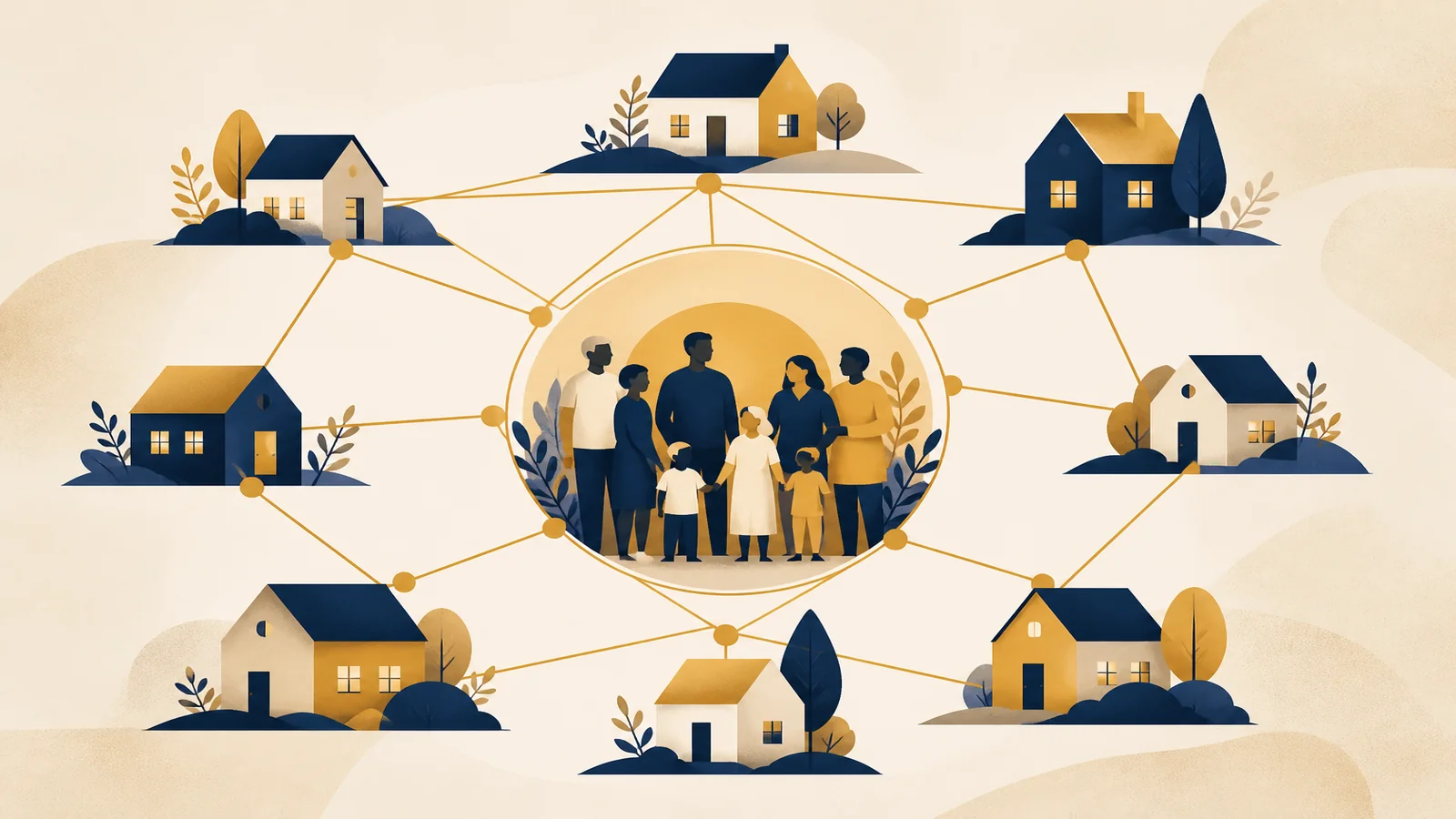
The family is not an island separate from society; what we learn at home about trust, responsibility and dialogue travels with us into every space in which we participate.

National identity appears not only on special occasions, but in the language we preserve, the values we practise and the way we treat our society and accept responsibility towards it.

Tolerance does not require us to abandon our convictions; it asks us to reject humiliation and exclusion and to protect human dignity in dialogue.

Giving is broader than a financial donation; it can be time, knowledge, experience, attention or a position that helps another person keep moving forward.

Effective volunteering is measured not only by hours, but by how well effort matches need, the quality of participation, and what we learn and leave behind after the activity.

Honouring senior citizens is not limited to providing care; it includes protecting their independence, learning from their experience and keeping them involved in family and community life.

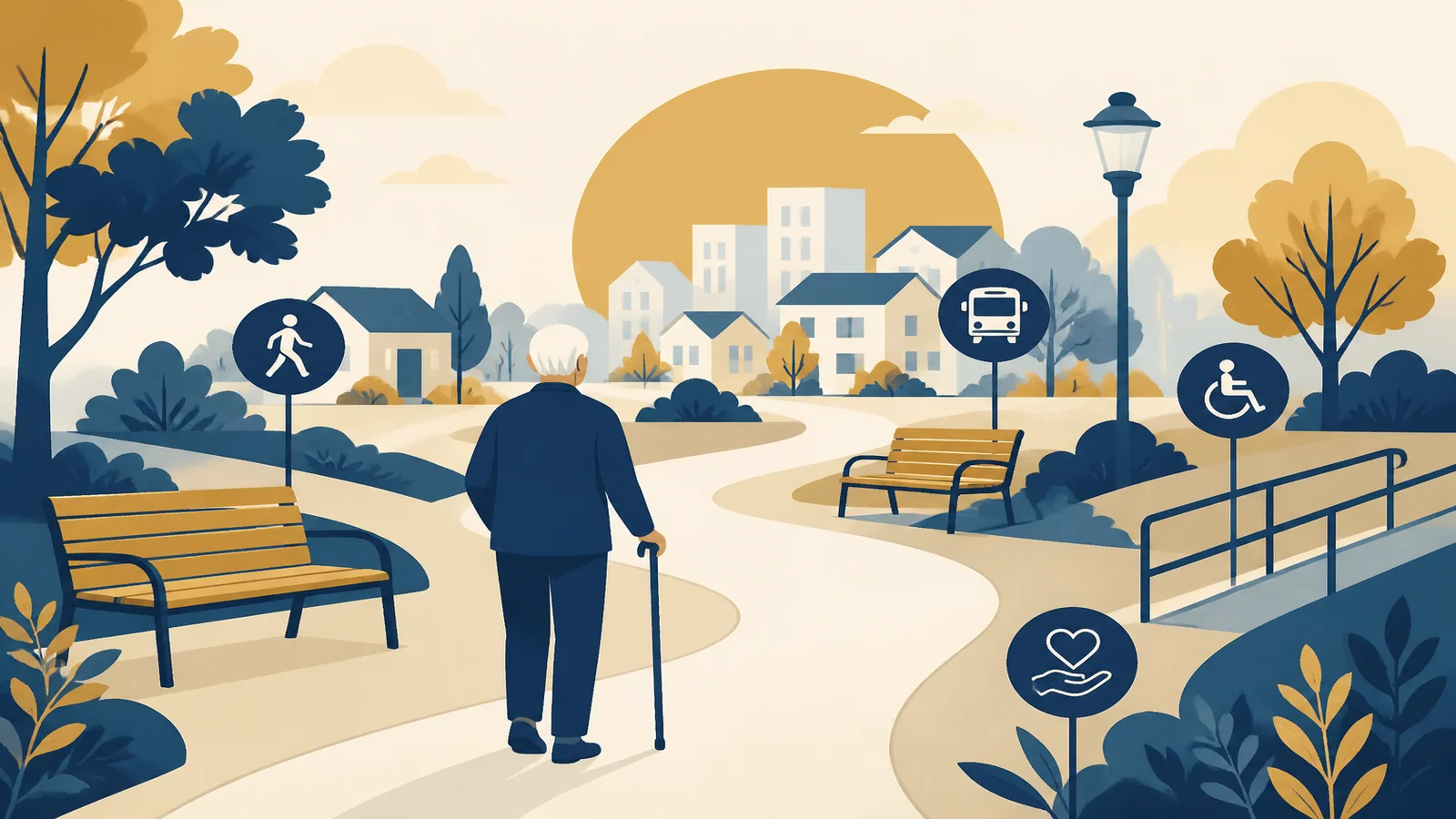
An age-friendly community does not ask older people to adapt alone; it makes places, information, services and communication clearer, easier and more respectful.

True inclusion is not opening a door and then asking everyone to use the space in the same way; it means designing participation so every person can enter, choose and express themselves.

A good website or place does not add access later; it begins by asking whether the greatest possible number of people can use it clearly and independently.

Digital behaviour is an extension of human behaviour. Respect, privacy, verification and emotional self-control do not stop when we leave the physical world.

Every post adds something to the digital environment: knowledge or noise, respect or harm, clarity or misinformation. Responsibility begins before the publish button is pressed.

Effective digital protection combines rules, skills and dialogue. The goal is not to keep children away from technology, but to help them use it consciously and safely.

Technology can bring distant people closer, but it can distance those nearby when we do not set conscious boundaries. The issue is not the device alone, but the place it occupies in our relationships.

The best innovations do not begin by asking what technology we possess, but what human problem deserves to be understood and solved better.

Artificial intelligence expands what we can do, but it does not remove our responsibility. Real value appears when efficiency is combined with privacy, fairness, clarity and human judgement.

Recurring problems that we learn to live with may be the best sources of innovation. Change begins when we stop treating everyday friction as something that cannot be improved.

Preparing for the future does not mean knowing everything that will happen; it means being able to learn and adapt, guided by values that help us use change in service of people.