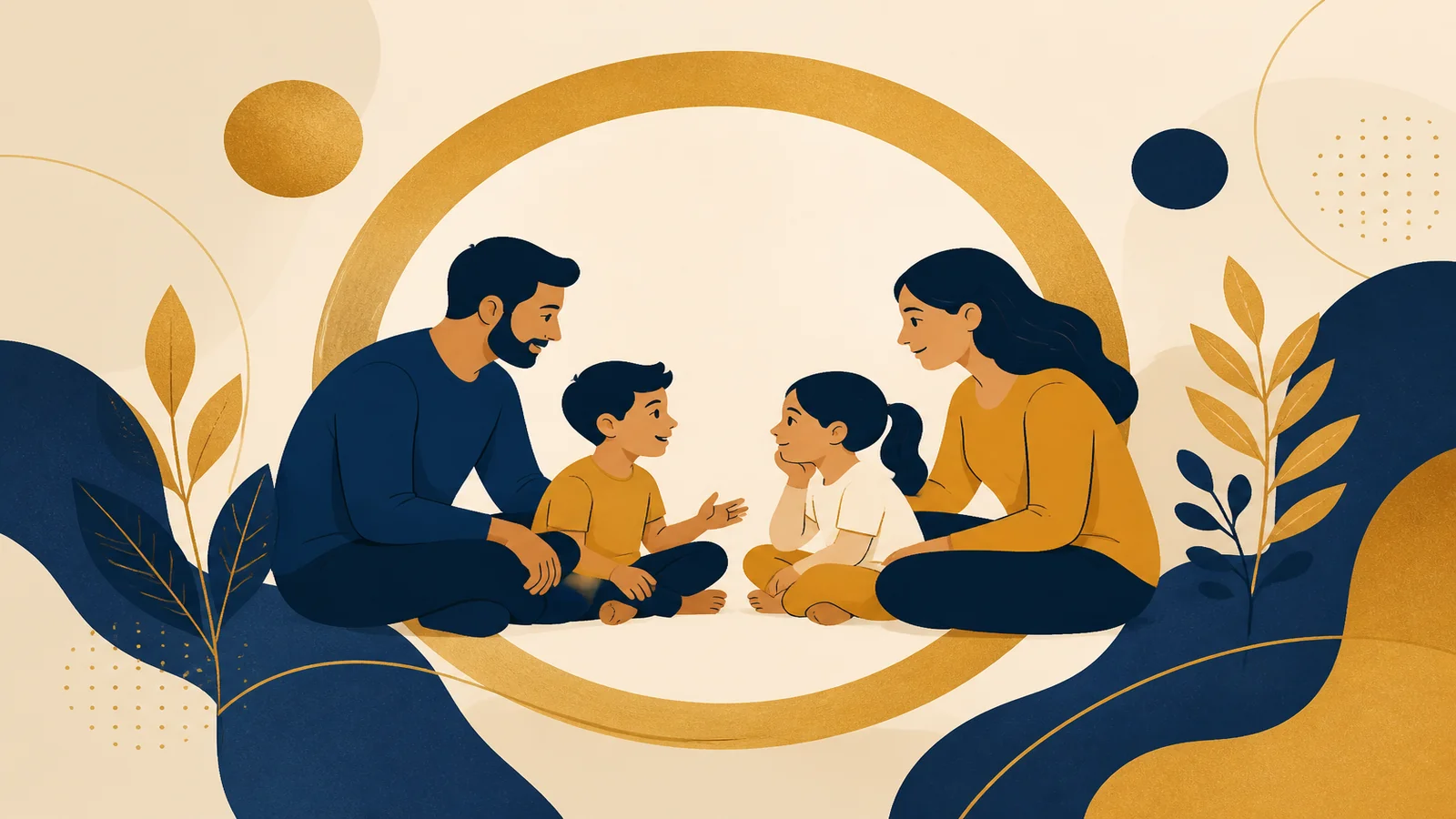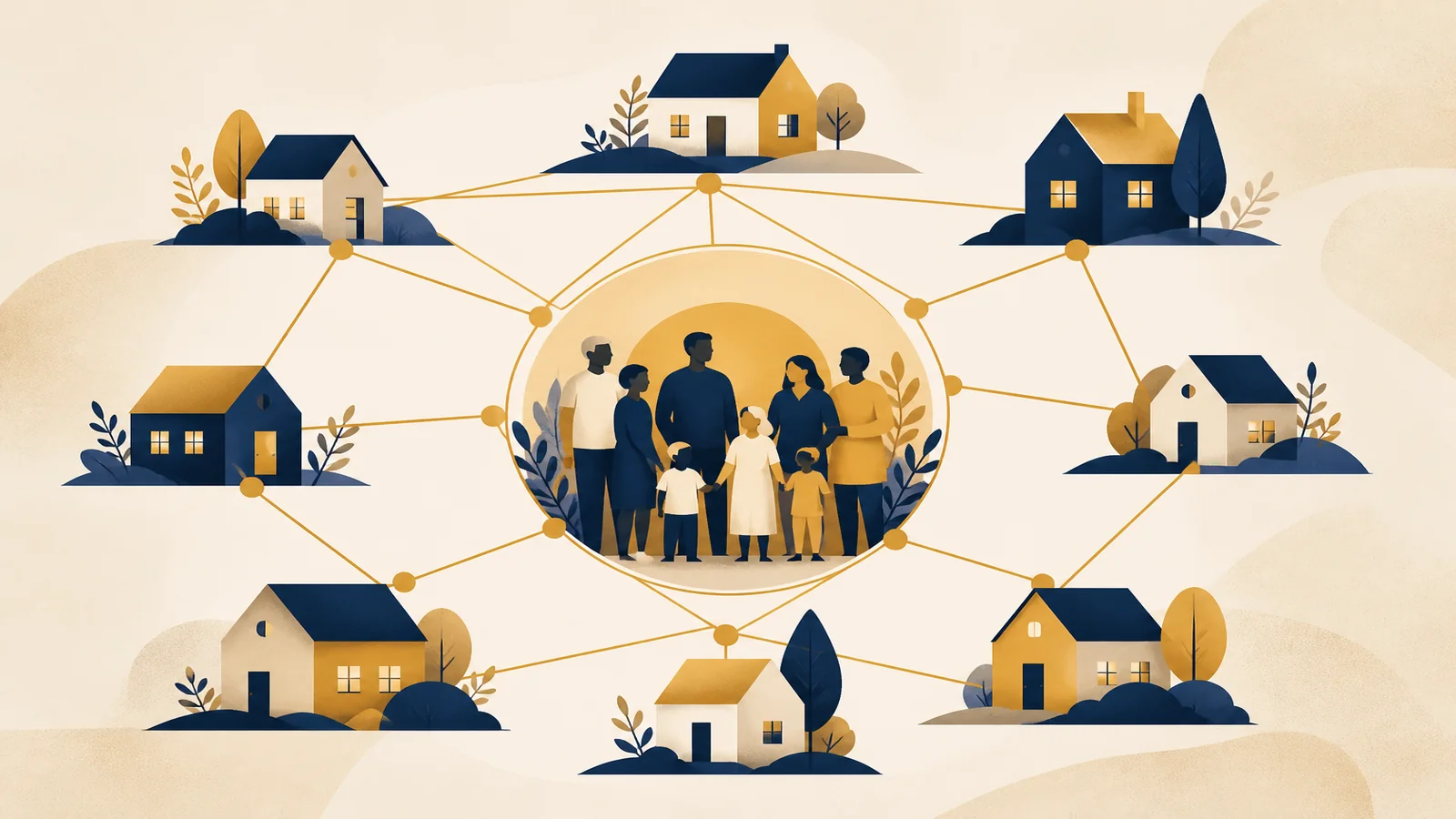
The values we carry into society are first shaped at home: through the way we speak, respect older people, accept responsibility, disagree and reconcile.
When we speak about identity and values, we may look for major programmes or public campaigns. Yet the first school in which we learn respect, compassion and responsibility is the family. A child absorbs more from behaviour than from advice. They watch how adults speak about others, deal with disagreement, apologise and express gratitude.
The UAE’s Year of the Family 2026 renews attention to family bonds and to daily practices that strengthen values and communication across generations. This idea is close to everyday reality: a family does not become strong through one decision, but through small habits repeated until they become a culture.
Values are seen before they are explained
If we ask a child to respect others while they repeatedly hear ridicule of people who are different, behaviour will speak more loudly than advice. If we talk about giving but they never see participation or care for others, the value will remain only a word.
We can therefore begin with a simple question: what values do our children see in our actions every day? Do they see us keep promises? Do they hear us apologise when we are wrong? Do we treat a worker, a guest and a senior citizen with the same respect we speak about?
Dialogue is part of upbringing
Upbringing is not only a set of instructions. Dialogue helps children and adolescents develop the ability to think and make decisions. When we ask “Why do you see it that way?” instead of saying “Do not argue”, we do not surrender our role. We teach them to explain an idea and respect another point of view.
As the digital world accelerates, dialogue becomes even more important. Children encounter ideas and content before adults sometimes know about them. We cannot protect them by banning everything, but we can build a space that encourages them to bring their questions back to the family instead of searching for every answer alone.
The value of presence
Presence is not simply being in the same place. A family may gather while every person is occupied by a screen. Presence means that everyone feels there is time in which they do not have to compete with notifications.
Simple practices may include:
- One meal each day without phones.
- A short weekly family gathering.
- An open question to each person about their week.
- Sharing a story from the family’s history.
- A shared activity that does not depend on a screen.
These habits need no budget, yet they build memories and bonds.
Across generations
One of the most beautiful things a family offers is a link between generations. Grandparents do not represent only the past; they are part of the memory of the place and the family. Young people do not represent a break with values; they are an opportunity to present those values in language suited to their time.
A family can protect this bridge by recording older relatives’ stories, sharing old photographs and documents, learning a skill from them or asking for their view on a decision. In return, young people can help older family members use digital tools without making them feel less capable.
Stability does not mean an absence of disagreement
Every family disagrees. Strength does not lie in having no problem, but in the way the problem is handled. Healthy practices include:
- Criticising the action, not the person.
- Never using old secrets as weapons.
- Keeping children out of adult conflicts.
- Choosing an appropriate time for discussion.
- Ending with a clear agreement or a set time to return to the issue.
Family and society
A cohesive society begins with relationships that contain trust and responsibility. A family that teaches children that they have both rights and duties, and that respect does not depend on personal interest, contributes directly to a more stable society.
“The family is the first school of values” is therefore not merely an emotional statement. It describes a daily responsibility. What we do at home does not remain there; it travels with us into school, university, work, the street and the digital world. The more clearly values appear in behaviour, the fewer slogans we need.
Official references
- Year of the Family 2026 – The Official Portal of the UAE Government. https://u.ae/en/Year-of-family/Family-year-2026
- We the UAE 2031 Vision – Society Pillar – The Official Portal of the UAE Government. https://u.ae/en/information-and-services/social-affairs/society-and-we-the-uae-2031-vision
- National Strategy for Wellbeing 2031 – The Official Portal of the UAE Government. https://u.ae/en/about-the-uae/strategies-initiatives-and-awards/strategies-plans-and-visions/social-affairs/national-strategy-for-wellbeing-2031
Reference links were checked during package preparation on 25 August 2026. If a policy or link changes, the official source remains the most up-to-date reference.