When older and younger people exchange experience, language and skills, we do more than preserve the past; we build a future with greater balance and identity.
Every family holds stories that do not exist in books: the beginning of a home, a journey through education, a difficult situation, an old craft, a custom, a proverb, a photograph or a decision that changed the family’s life. This memory often travels through conversation. When dialogue between generations is broken, we lose more than stories; we lose part of our understanding of ourselves.
The Year of the Family 2026 encourages stronger bonds and continuity of values across generations, while the National Policy for Senior Emiratis emphasises social participation and active life. Bringing the two together reveals an important idea: senior citizens are not only a group for whom we carry a duty of care; they are partners in knowledge and experience. Young people are not only the future of society; they are a means of carrying this memory forward in new language.
Why does dialogue between generations grow distant?
Differences in language, pace and technology are natural. An older person may feel that the young have no patience, while a younger person may feel that older people do not understand their world. The problem is not the difference itself, but the assumption that the other side “has nothing to add”.
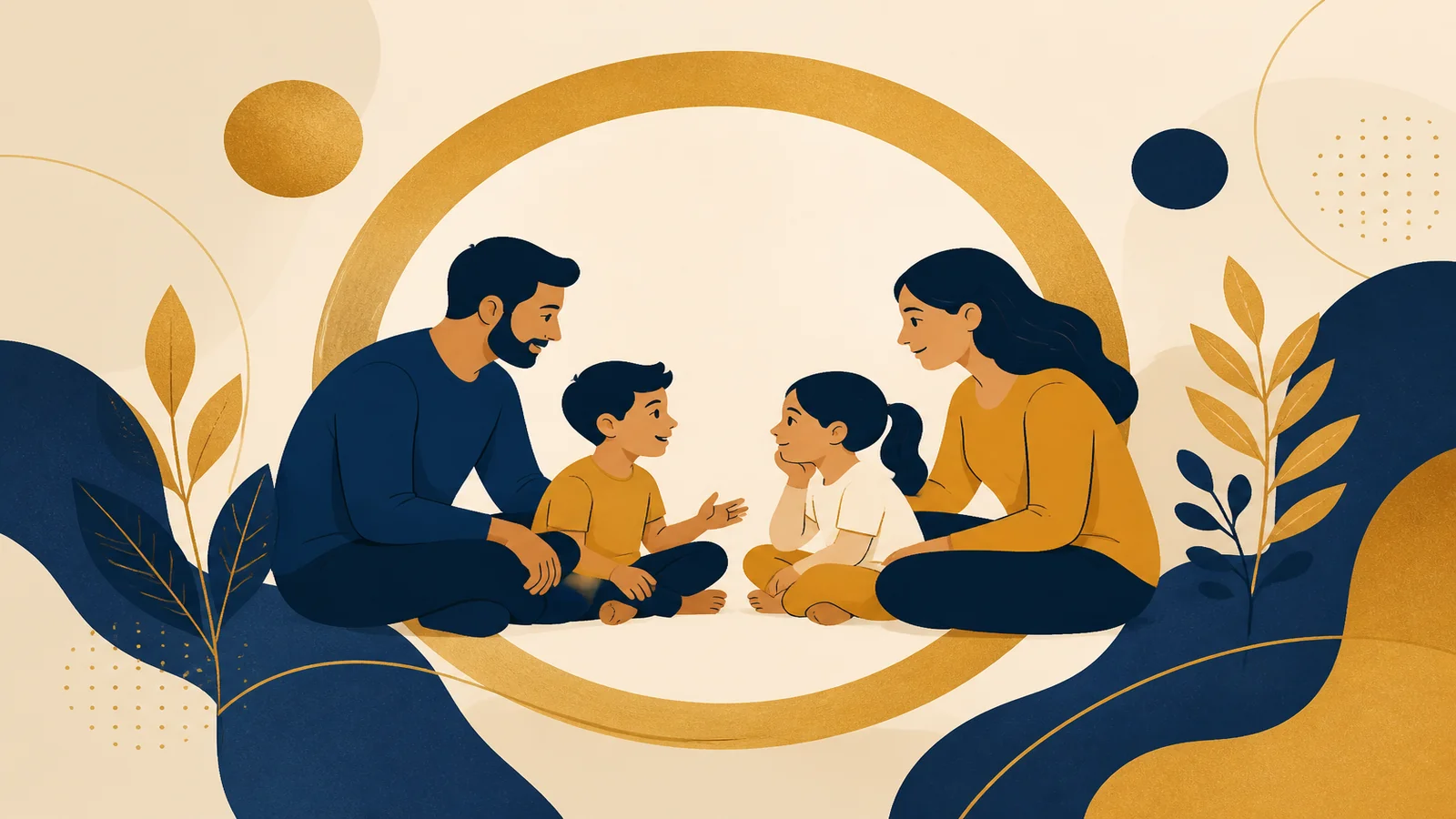
Simple family projects can bridge the gap: a grandfather explains the story behind an old photograph, a grandchild teaches a grandmother to use an application, or the family records a recipe, craft or local story in the voice of the person who knows it.
Memory gives identity meaning
Identity is not only information we memorise. It is a sense of continuity: knowing where we came from, which values helped those before us overcome difficulty, what changed, and what deserves to remain.
“We the UAE 2031” emphasises preserving national identity and human values within an advanced society. Preservation here does not mean freezing society; it means enabling values to live in a new time.
What can young people learn from older people?
- Patience with long-term results.
- The meaning of relying on family and community.
- Stories of the rapid transformation the nation has experienced.
- Skills, crafts and customs that may disappear.
- How an earlier generation faced scarce resources or a difficult path.
What can older people learn from the young?
- Modern communication tools.
- Access to digital services and information.
- New ways of learning and working.
- Methods for preserving photographs, documents and stories.
- A different way of seeing the world.
This exchange prevents the relationship from moving in only one direction. Dignity is strengthened when every person feels that they both give and receive.
A practical idea: the family archive
Any family can begin a simple family archive:
- Choose five old photographs.
- Record the story of each photograph in the voice of an older family member.
- Write the names of the people and an approximate date.
- Add one lesson or value from each story.
- Keep copies safely and share them with family members.
After one year, the family may have dozens of stories that would otherwise have been at risk of being forgotten.
Social participation for senior citizens
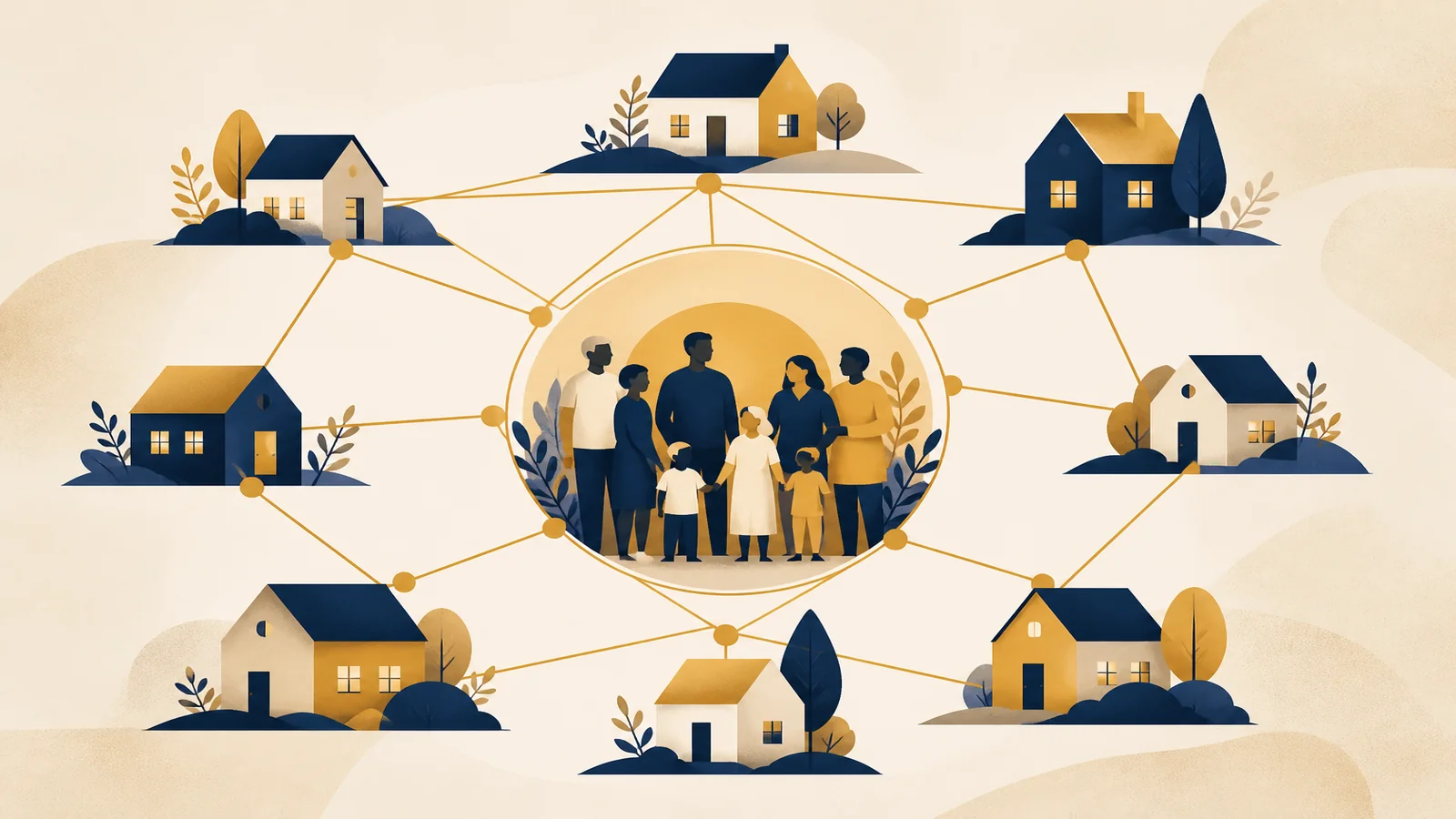
Intergenerational relationships should not be limited to the family. Community councils, schools, universities and social centres can host “life experience” sessions with senior citizens, not only as honoured guests, but as sources of knowledge.
In return, young people can organise digital-support sessions that help older people use technology confidently, while protecting privacy and never treating them in a way that diminishes their independence.
The bridge we need
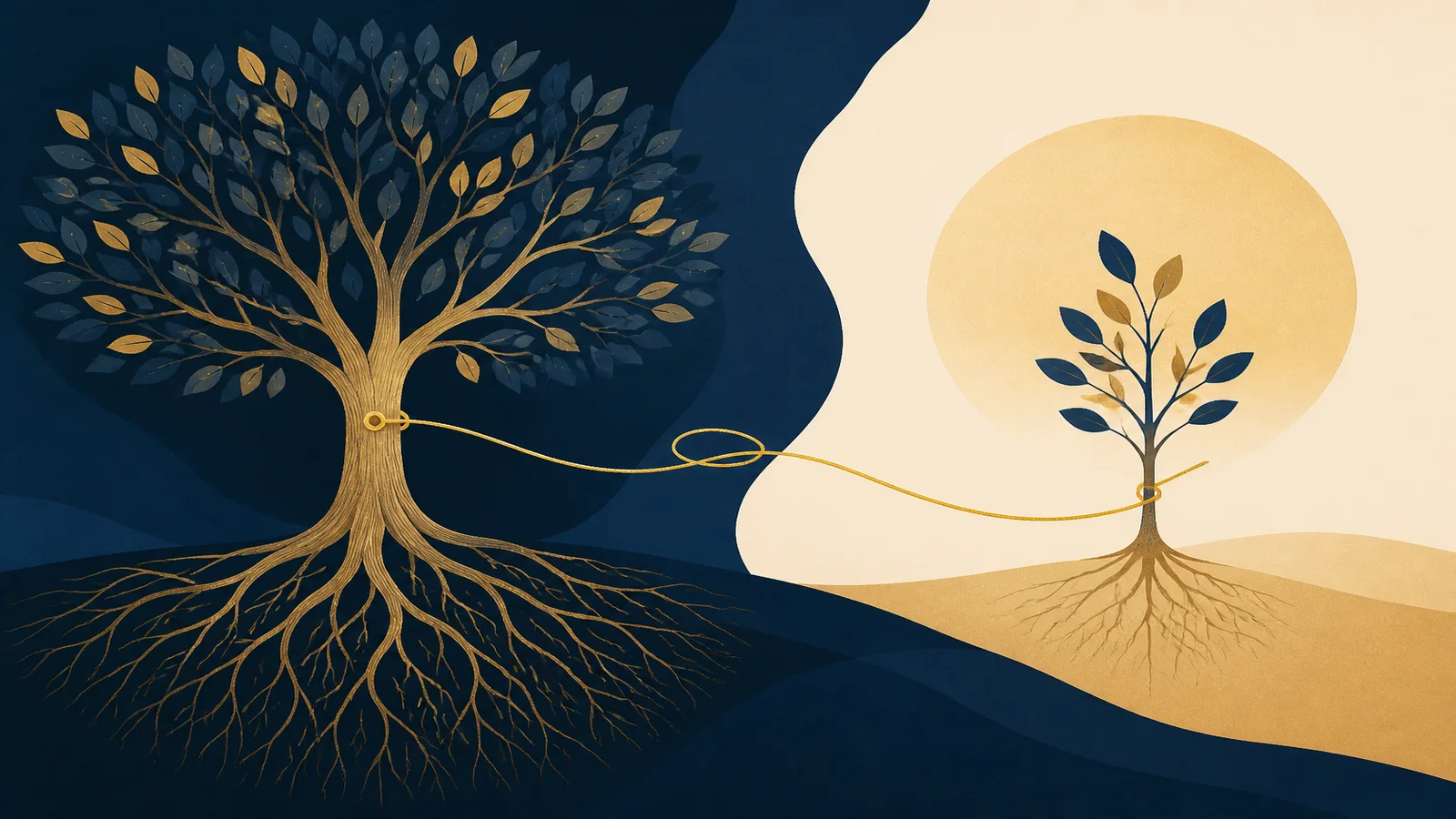
A strong future does not begin by cutting ties with the past, and the past cannot remain alive if it rejects the language of the present. The intergenerational link is a two-way bridge: experience passes to the young, and new skills return to older people.
When we protect this bridge, we preserve more than stories; we preserve a person’s relationship with family, society and identity.
Official references
- Year of the Family 2026 – The Official Portal of the UAE Government. https://u.ae/en/Year-of-family/Family-year-2026
- National Policy for Senior Emiratis – The Official Portal of the UAE Government. https://u.ae/en/about-the-uae/strategies-initiatives-and-awards/policies/social-affairs/the-national-policy-for-senior-emiratis
- We the UAE 2031 Vision – Society Pillar – The Official Portal of the UAE Government. https://u.ae/en/information-and-services/social-affairs/society-and-we-the-uae-2031-vision
Reference links were checked during package preparation on 25 August 2026. If a policy or link changes, the official source remains the most up-to-date reference.