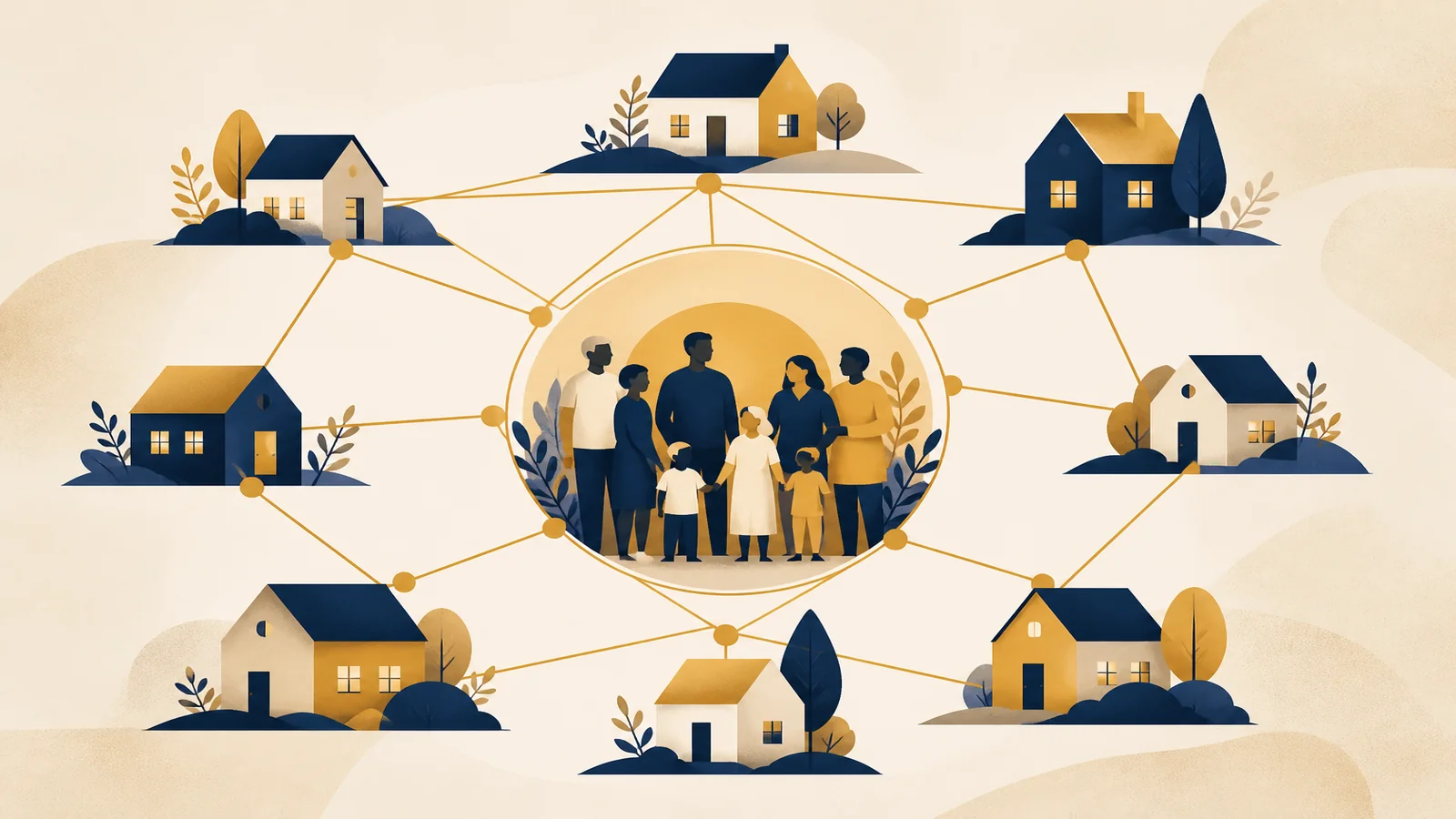
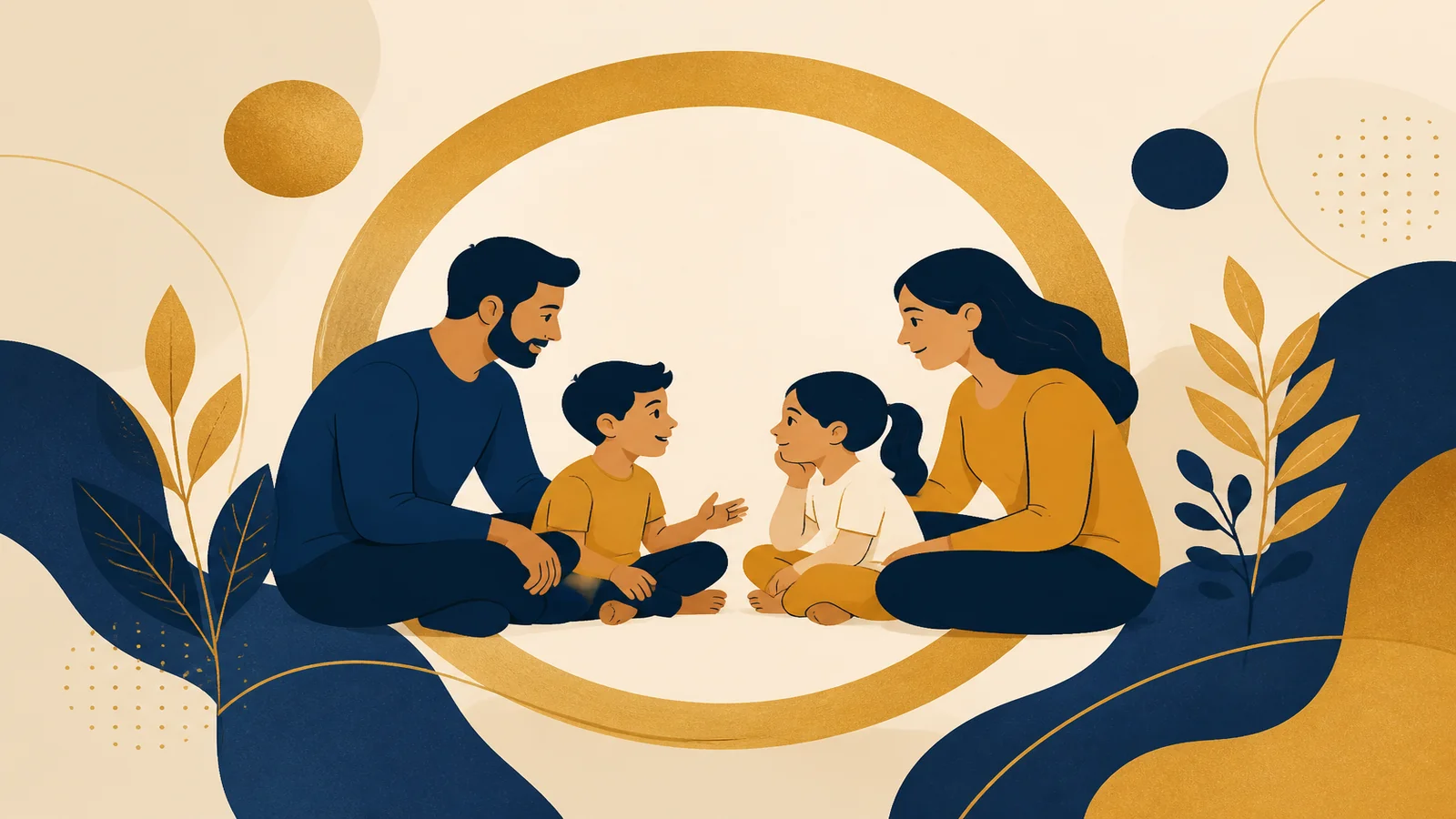
We may succeed in providing a great deal for our children, but they also need time in which they hear us without hurry and we hear their world without preconceived judgement.
It is natural for parents to seek the best education, opportunities and material support for their children. Yet there is something that gifts, devices and even the best programmes cannot fully replace: genuine presence.
Presence does not mean monitoring children all the time, nor does it mean becoming friends without educational boundaries. It means that a child knows there is a safe space in which they can speak, make a mistake, ask a question and find someone who listens before judging.
The Year of the Family 2026 focuses on bonds and daily practices that make family connection more present. This returns us to a simple question: how much time do we actually spend with our children, and how much of it is mental presence rather than merely occupying the same place?
A lot of time, or good time?
Not every parent has long hours available, especially alongside work and other commitments. The quality of time, however, can compensate for some of its limits. Twenty minutes of real conversation may be better than two hours spent side by side while everyone is occupied by a phone.
Good time has three characteristics:
- Full attention.
- A genuine question, not an interrogation.
- Acceptance that the answer may not be what we expect.
Do not turn every conversation into a lesson
A common mistake is turning everything a child says into a lecture. If they admit a mistake, we immediately begin instructing. If they share an embarrassing situation, we compare them with someone else. Over time, they learn that silence is easier.
We can ask first: “Would you like my opinion, or would you simply like me to listen?” This small question also teaches the child that asking for advice is a skill and that expressing feelings is not weakness.
The digital world needs a relationship, not only supervision
Children today live part of their experience online. A complete ban is not always realistic, and technical controls alone are not enough. The UAE National Policy for Quality of Digital Life focuses on capability, behaviour, content and positive digital communication. The family is the natural place to turn these principles into habits.
Instead of asking only “How many hours did you use your phone?”, try asking:
- What content did you enjoy this week?
- Did you see anything that made you uncomfortable?
- How do you know whether a news item is true?
- What would you do if a stranger asked you for information?
- Have you ever felt that a particular platform affected your mood?
These questions do not remove rules, but they make the child a partner in awareness.
Signs that a child may need more presence
Not every change in mood is a problem, especially during stages of growth. Yet when conversation becomes rare, a child withdraws completely from the family, or fears sharing any mistake, the relationship may need more time and a rebuilding of trust.
Beginning does not require a formal session. A shared activity, a drive, a walk, preparing a meal or a short trip can open conversation naturally.
Presence without comparison
Comparison is one of the fastest ways to close a conversation: “Look at so-and-so’s child.” Even when the intention is motivation, the child may hear that they are not enough. It is better to compare their progress with their own past: what improved, what skill was gained, and what is the next step?
Small family practices
- A short weekly one-to-one appointment with each child.
- One device-free hour at the weekend.
- An activity that family members take turns choosing.
- A daily habit of thanking someone in the household.
- Adults sharing a mistake they made and what they learned from it.
Children do not need perfect parents who never make mistakes. They need adults who can be present, apologise, learn and set clear boundaries with love. In the end, a child may forget much of what we bought for them, but they remember clearly how they felt when they spoke to us and needed to be heard.
Official references
- Year of the Family 2026 – The Official Portal of the UAE Government. https://u.ae/en/Year-of-family/Family-year-2026
- National Strategy for Wellbeing 2031 – The Official Portal of the UAE Government. https://u.ae/en/about-the-uae/strategies-initiatives-and-awards/strategies-plans-and-visions/social-affairs/national-strategy-for-wellbeing-2031
- National Policy for Quality of Digital Life – The Official Portal of the UAE Government. https://u.ae/en/about-the-uae/strategies-initiatives-and-awards/policies/government-services-and-digital-transformation/national-policy-for-quality-of-digital-life
Reference links were checked during package preparation on 25 August 2026. If a policy or link changes, the official source remains the most up-to-date reference.